Open Cell vs Closed Cell Spray Foam: This Is What You Need To Know
By Juan Sanchez, Technical Director, Spray Alliance Corp · Stamford, CT Choosing the right type of spray foam insulation is one of the most important decisions a contractor or property...
Open Cell vs Closed Cell Spray Foam: This Is What You Need To Know
By Juan Sanchez, Technical Director, Spray Alliance Corp · Stamford, CT
Choosing the right type of spray foam insulation is one of the most important decisions a contractor or property owner can make. Open cell and closed cell, serve different purposes, perform differently under varying conditions, and carry different cost implications. Understanding the distinction is not optional. It directly affects energy performance, moisture management, structural integrity, and long-term building health.
At SprayAlliance Corp in Stamford, Connecticut, we work with contractors every day who are navigating this decision for their customers. We focus on long-term performance, safety, and efficiency, which means we never recommend one product over the other without understanding the building, the climate, and the project scope first. This article breaks down the real differences between open cell vs closed cell spray foam so you can make informed decisions on every job.
Too many contractors default to one product type out of habit or because that is what they were first trained on. That approach leaves money on the table and often delivers suboptimal results for the building owner. The reality is that most spray foam businesses need to offer both products and know exactly when each one is the right call. That knowledge starts with understanding the science behind each chemistry and how it interacts with real-world building conditions.
What is the difference between open cell and closed cell spray foam?
Open cell spray foam is a lighter, flexible material with an R-value of roughly 3.5 to 3.7 per inch. Closed cell spray foam is denser, rigid, and delivers an R-value of approximately 6.5 to 7.0 per inch. Closed cell also acts as a vapor barrier and adds structural rigidity. At SprayAlliance, we help contractors select the right type based on each project’s performance requirements.
How Climate and Location Shape the Product Decision
The choice between open cell and closed cell spray foam is heavily influenced by regional climate. In hot, humid climates across the Southeast and Gulf Coast states, closed cell spray foam is often preferred in exterior wall cavities and rooflines because it controls moisture vapor transmission while delivering superior thermal resistance. Contractors working in areas like coastal Texas, southern Florida, and the Louisiana Gulf region frequently encounter building envelope challenges that demand a vapor-retardant solution.
In northern states and colder climates, open cell spray foam is commonly applied in attic assemblies and interior wall cavities where moisture dynamics differ and cost efficiency matters over large square footages. Contractors in the upper Midwest, New England corridor, and mountain regions balance R-value requirements against project budgets on a daily basis. Urban markets in cities like Houston, Atlanta, and Charlotte see high demand for both products across residential retrofits and new commercial construction, while rural markets in agricultural regions often favor closed cell for its structural contribution to metal buildings, pole barns, and cold storage facilities.
Climate zone awareness is not just a technical detail, it shapes your entire service offering. A contractor who understands why closed cell performs better in a Zone 2 coastal crawl space versus why open cell makes more sense in a Zone 5 vented attic can communicate that value to the property owner clearly. That confidence wins bids. We at SprayAlliance build this kind of regional awareness into our training so that every contractor we work with can speak to local conditions with authority.
Can you use both open cell and closed cell spray foam on the same project?
Closed cell is often applied in crawl spaces, rim joists, and exterior walls where moisture control matters, while open cell covers large attic areas efficiently. At SprayAlliance, we train contractors to evaluate each assembly independently and select the foam type that delivers the best performance for that specific application.
open cell vs closed cell spray foam
How Each Foam Type Fits into a Profitable Operation
Understanding the technical differences between open cell and closed cell is only part of the equation. For contractors building a spray foam business, the real question is how each product type fits into a profitable, sustainable operation. Closed cell spray foam requires higher material investment per job but commands higher prices and often involves smaller application areas. Open cell spray foam has lower material cost and covers large areas quickly, which can translate into higher daily efficiency for a lean crew. We help property owners and contractors understand that the right product choice is also a business decision, one that affects yield rates, material waste, equipment wear, and profitability per job.
Consider the math on a typical residential attic job. An open cell application at three and a half inches across 1,500 square feet can be completed by a two-person crew in a single day. The material cost is lower, the application is fast, and the customer gets excellent thermal and air-sealing performance. A closed cell application at two inches in a crawl space may cover a smaller area but at a higher price point, with the added benefit of moisture control and structural reinforcement. A contractor who can offer both products, and explain the right application for each, captures a wider share of the market.
Understanding how to price spray foam insulation becomes significantly easier when you know how each product performs through your specific equipment. Open cell yields more coverage per drum at lower pressure, which affects your cost-per-board-foot calculation differently than closed cell. Our team specializes in building complete spray foam operations where the equipment, training, and product knowledge work together as a system. When you understand how each foam type behaves through your rig, you make better decisions in the field: faster setups, cleaner passes, less waste, and happier customers.
Equipment Requirements for Both Chemistries
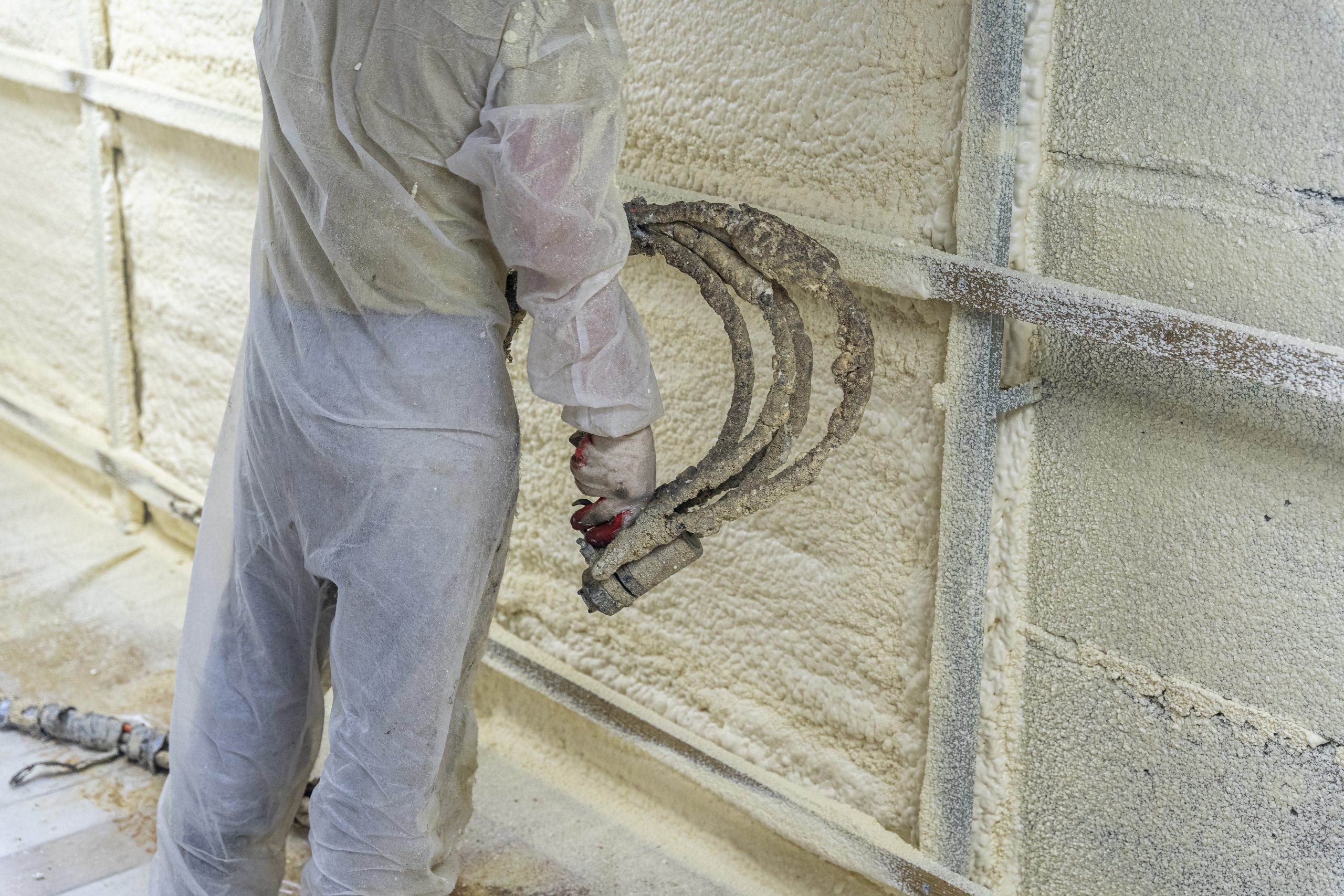
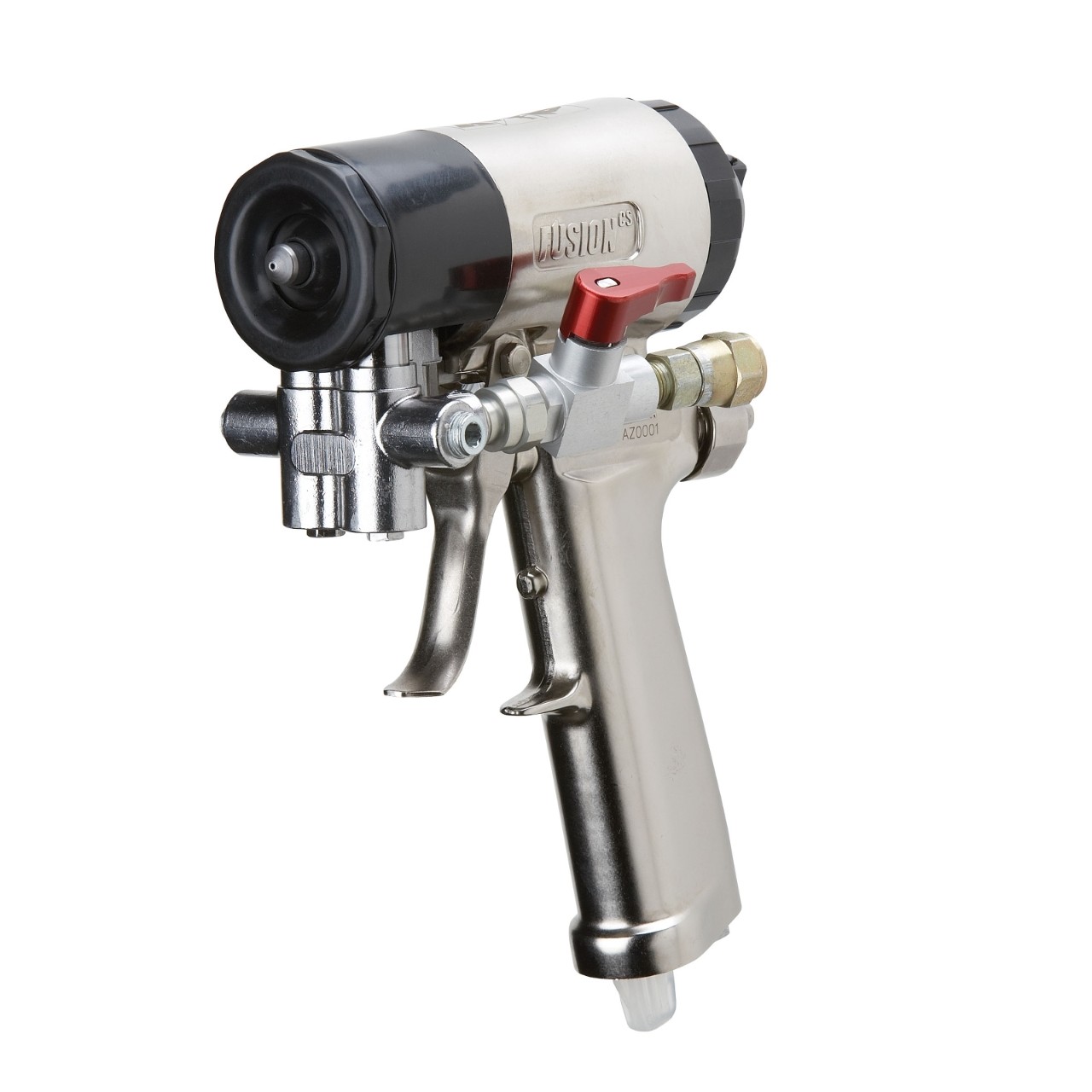
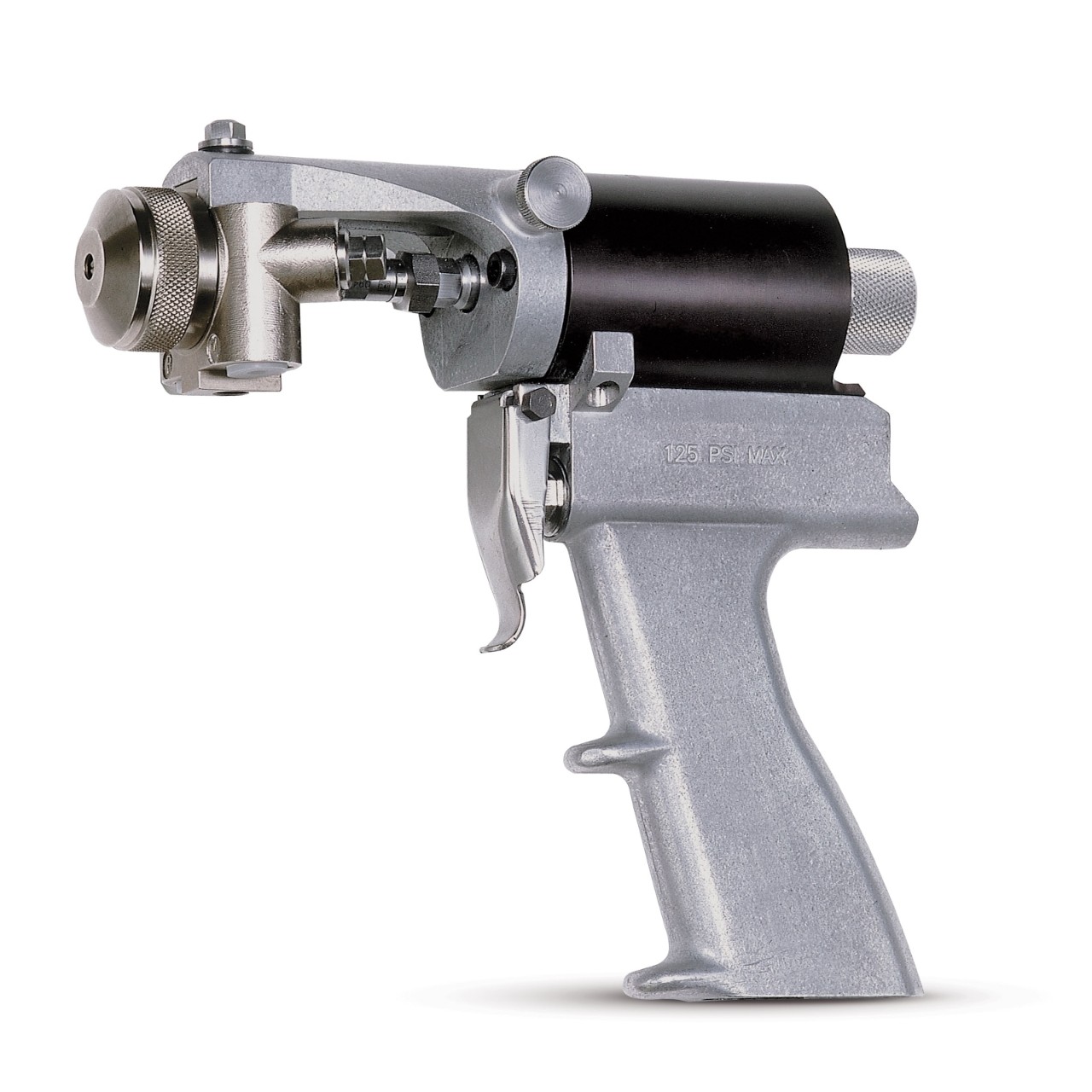
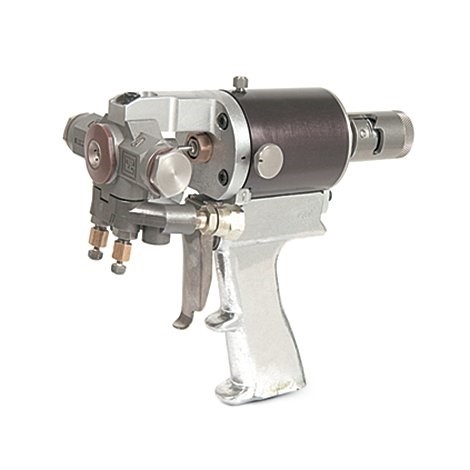
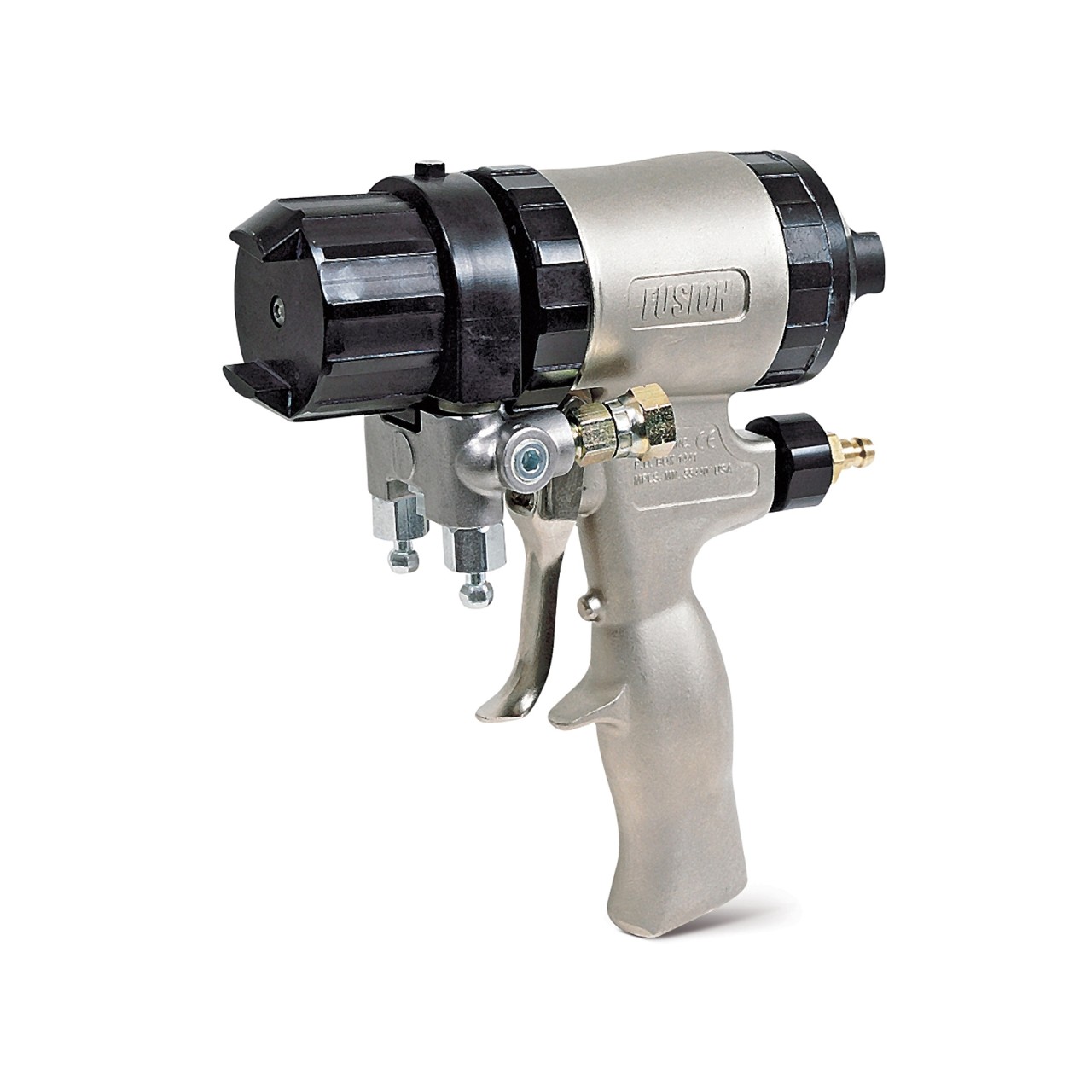
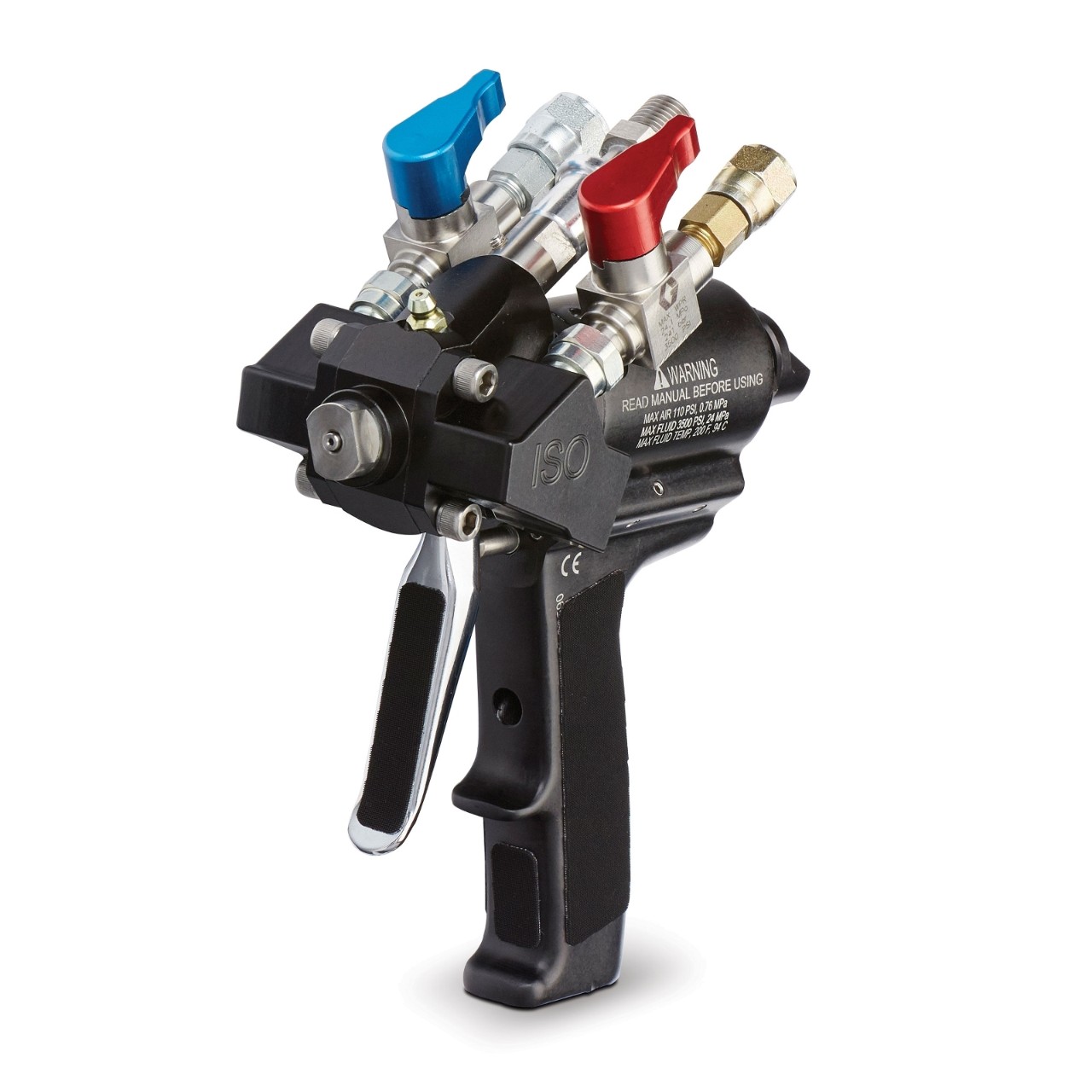
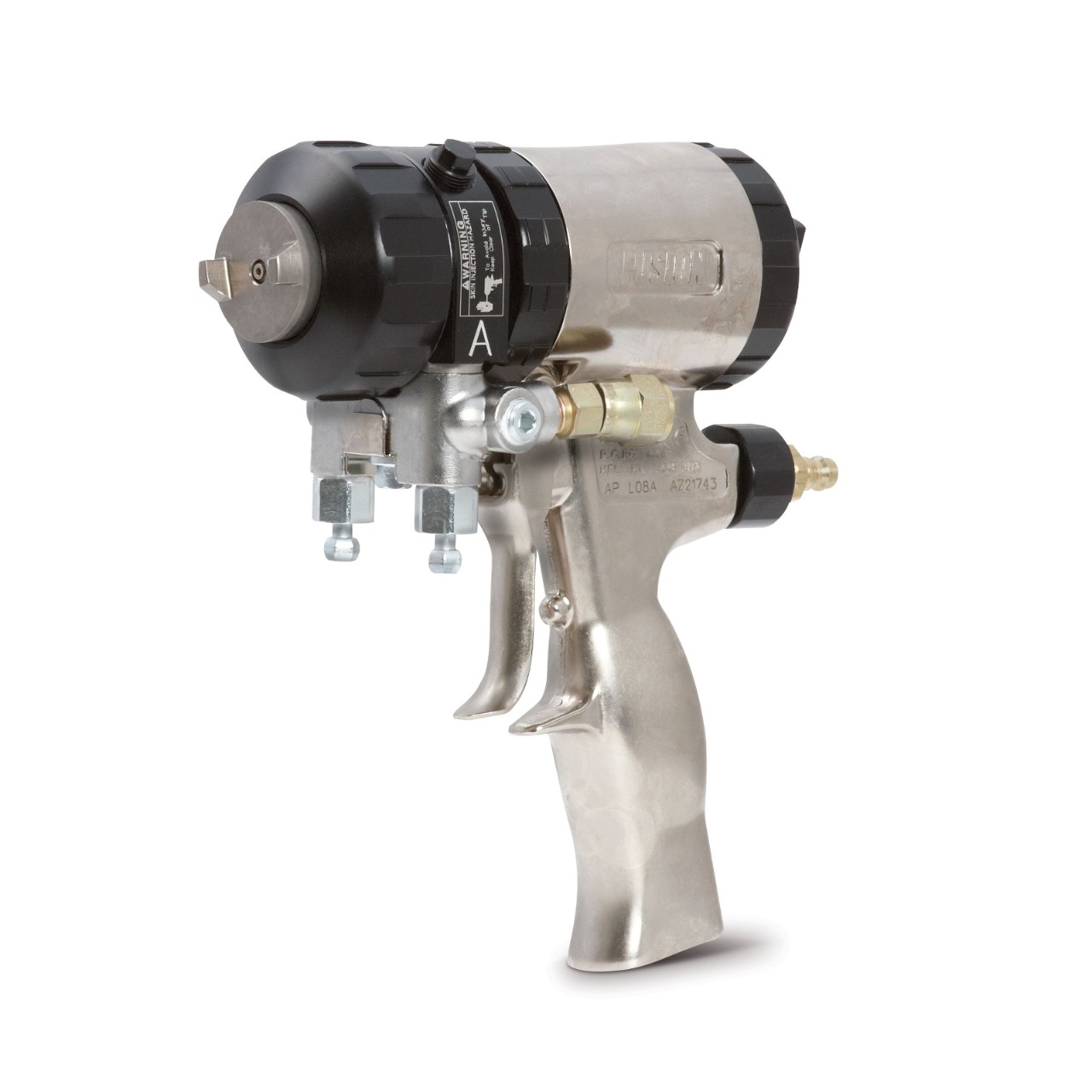
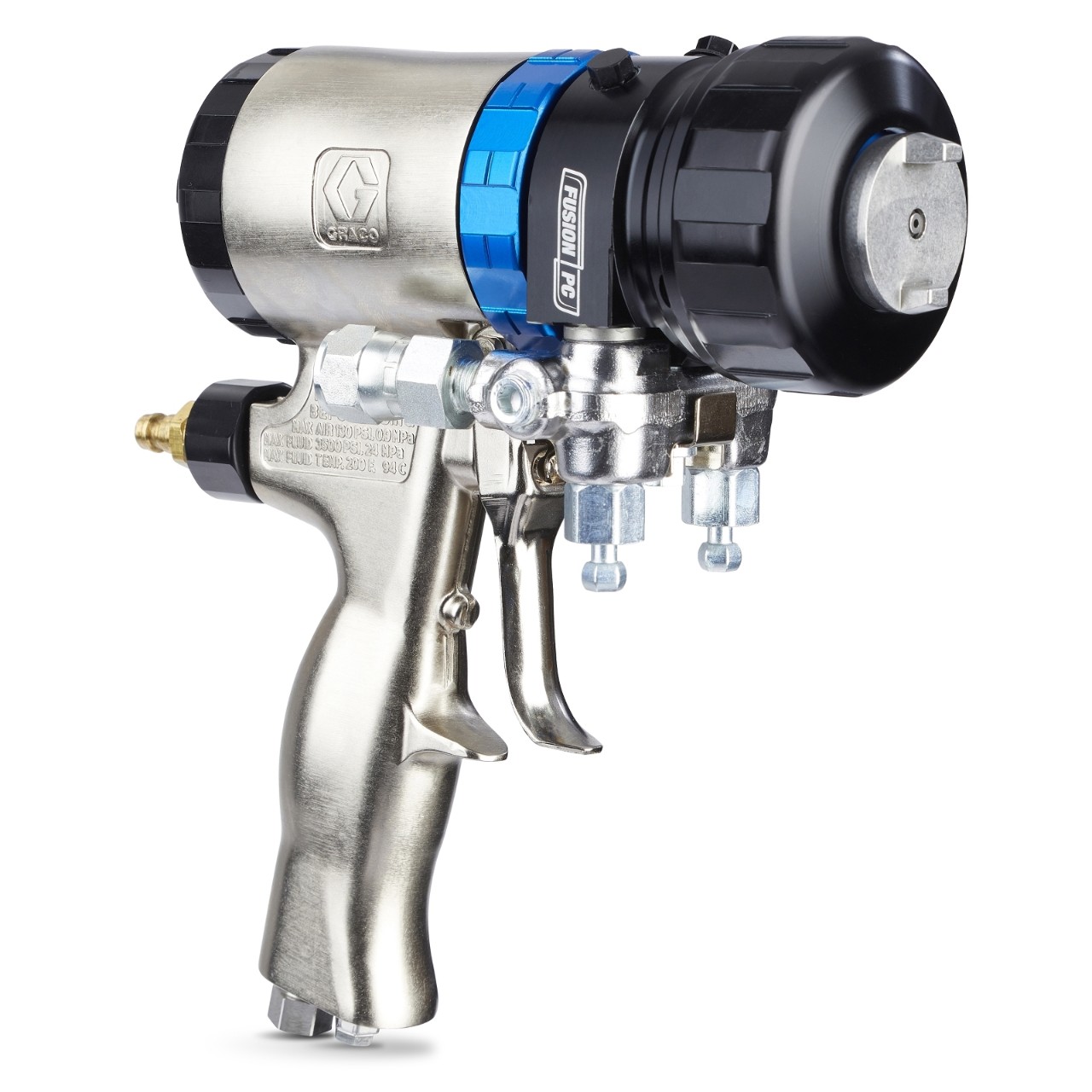
Open cell and closed cell spray foams are applied using the same proportioner platforms, but they behave differently through the gun and on the substrate. Closed cell requires higher pressures and generates more heat during the reaction, which means your proportioner, hose, and gun must be rated for the demand. Open cell sprays at lower pressures and expands significantly more, requiring different techniques to control thickness and avoid overspray.
For contractors evaluatingspray foam insulation equipment for sale, the rig you choose needs to handle both chemistries if you plan to offer full-service insulation. At SprayAlliance, our rigs are built on the Graco Reactor 3 platform, which delivers the pressure range and temperature control needed for both open and closed cell applications. The Reactor 3’s Katalyst software monitors flow rates, pressures, and temperatures in real time, helping you maintain proper ratio regardless of which chemistry you are running. This versatility matters because limiting yourself to one product type limits the jobs you can bid on.
Temperature management is especially critical with closed cell foam. The A-side and B-side chemicals need to arrive at the gun within a specific temperature window to react properly. If drum temperatures drop overnight or the hose runs through cold conditions, the foam can underperform, poor adhesion, inconsistent density, or surface defects that lead to callbacks. Our rigs are designed with Xcelerator heated hoses that provide independent A and B temperature control, keeping chemicals in the right range from the drum to the gun tip. Contractors who invest in understanding these variables through hands-on spray foam training and certification produce consistently better results and experience fewer callbacks.
Does spray foam insulation require special building code compliance?
Yes. Both open cell and closed cell spray foam must meet spray foam building codes including fire rating, thermal barrier, and vapor permeance requirements. Codes vary by jurisdiction, occupancy type, and application area. Contractors who complete proper training and certification learn to navigate these requirements and ensure every installation meets or exceeds local standards.
open cell vs closed cell spray foam
Building Codes, Fire Safety, and Compliance for Both Foam Types
Both open cell and closed cell spray foam are subject to building codes that govern fire safety, thermal performance, and vapor control. The International Building Code and International Residential Code set baseline requirements, but local jurisdictions frequently adopt amendments that tighten or modify those standards. Closed cell spray foam at sufficient thickness can serve as both insulation and a vapor retarder, potentially eliminating the need for a separate vapor barrier in certain climate zones. Open cell spray foam is vapor-permeable and may require an additional vapor retarder depending on the assembly and climate zone. Both products require an approvedspray foam thermal barrier coating or equivalent barrier, typically half-inch drywall, when applied in occupied spaces per NFPA and IBC requirements.
Spray foam troubleshooting often starts with code-related callbacks, incorrect thickness, missing thermal barriers, or improper vapor management. Contractors who understand the code framework before they spray avoid the most common and costly mistakes in this industry. Inspectors in many jurisdictions are paying closer attention to spray foam installations than they did five years ago. They check thickness with depth gauges, verify thermal barrier coverage, and review product data sheets for fire rating documentation.
Contractors who walk onto a job site with the right paperwork, the right application thickness, and a clear understanding of local code amendments earn credibility with inspectors. That credibility translates into smoother projects and faster approvals on every job that follows.
How the Right Support System Connects Product Knowledge to Field Performance
Every challenge discussed in this article, product selection, code compliance, equipment capability, business profitability, connects directly to the support we provide at SprayAlliance. We build compact, van-ready spray foam rigs on the Graco Reactor 3 platform that handle both open cell and closed cell chemistries without compromise. When a contractor encounters a spray foam equipment repair issue or a yield problem in the middle of a project, Reactor Connect’s Grafana analytics allow our support team to review machine data remotely and diagnose the issue without a site visit.
We offer hands-on training programs that cover application techniques for both foam types, building science, code compliance, and business operations. Support does not end after the sale, our team provides ongoing technical guidance as contractors encounter new building types, unfamiliar assemblies, and evolving code requirements. Whether you are switching between open cell and closed cell on back-to-back jobs or troubleshooting a yield issue mid-project, we are a phone call away. That kind of accessible, knowledgeable support is what separates a vendor from a true partner in this industry.
Your Next Step
Whether you are a contractor deciding which foam types to offer or a property owner trying to understand what goes into your walls and roofline, the right information makes all the difference. At SprayAlliance, we have built our operation around equipping people with the knowledge, equipment, and support they need to make smart, lasting decisions.
To explore training programs, equipment options, or to speak with our team about your next project, visit us atsprayalliance.com or call 203-220-2500.