What Does It Actually Cost to Own a Spray Foam Rig, And When Does It Pay You Back?
By Justin Breiner, Co-Founder, Spray Alliance Corp · Stamford, CT If you are thinking about entering the spray foam industry, the first questions on your mind are almost certainly How...
What Does It Actually Cost to Own a Spray Foam Rig, And When Does It Pay You Back?
By Justin Breiner, Co-Founder, Spray Alliance Corp · Stamford, CT
If you are thinking about entering the spray foam industry, the first questions on your mind are almost certainlyHow much does a spray foam rig cost? How long until it pays for itself? Can you actually make a living doing this? These are the right questions to ask, and they deserve honest, specific answers. Too many contractors enter this industry without a clear picture of their true costs and realistic timelines. At SprayAlliance, we focus on long-term performance, safety, and efficiency because those are the factors that determine whether a spray foam business thrives or struggles. In this article, we break down the real cost of owning spray foam equipment, explain how financing works, and walk through the math that shows when your investment starts paying you back.
The Real Cost of a Spray Foam Rig Goes Beyond the Sticker Price
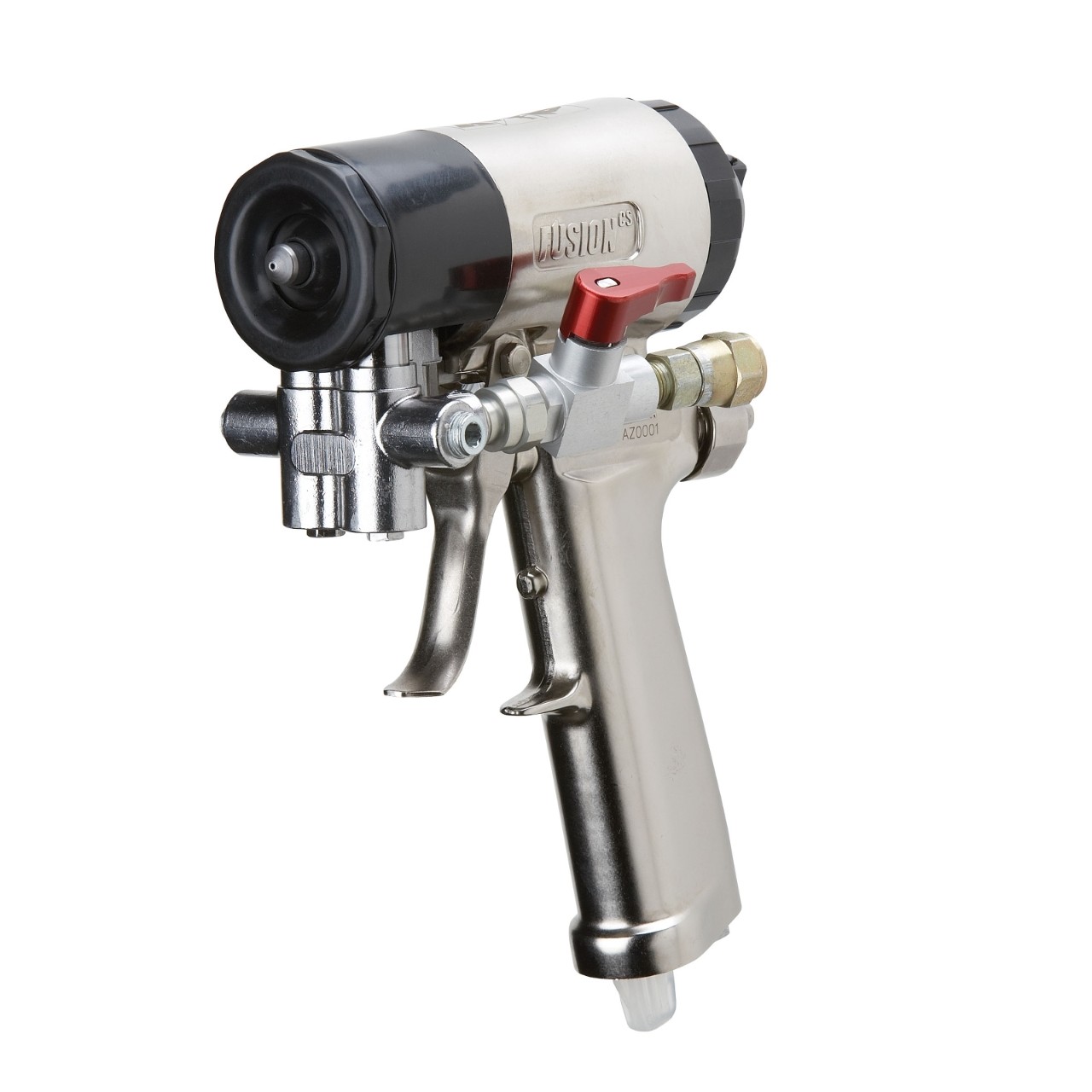
When most people researchspray foam startup cost, they focus on the price of the proportioner. That number matters, but it only tells part of the story. A traditional spray foam setup includes a proportioner, heated hoses, a spray gun, transfer pumps, an air compressor, a generator, a trailer to carry everything, and a truck powerful enough to tow it. By the time you add insurance on the vehicle and trailer, licensing, initial material inventory, and personal protective equipment, the total investment for a traditional operation can easily exceed one hundred thousand dollars.
That is the number that stops a lot of potential contractors before they even start. But it does not have to be your number. We at SprayAlliance engineer our rigs to eliminate several of the most expensive line items in that traditional breakdown. Our systems are compact and self-contained, designed to fit inside a cargo van or the bed of a pickup truck. That means you do not need a dedicated trailer. You do not need a heavy-duty tow vehicle. You do not need the additional insurance premiums that come with hauling a large rig down the highway. The equipment cost is still a serious investment, but the total startup figure drops significantly when you remove the trailer, the tow vehicle upgrade, and the higher insurance brackets from the equation.
Monthly Operating Costs That Most New Contractors Overlook
The purchase price gets all the attention, but your monthly operating costs are what determine whether you actually stay profitable. Fuel is one of the biggest ongoing expenses for any spray foam contractor. A truck towing a heavy trailer burns significantly more fuel than a cargo van carrying a compact rig, and you are driving to job sites every single day. Over a year, that difference can add up to thousands of dollars.
Vehicle maintenance follows the same pattern. Towing puts significant strain on your transmission, brakes, and tires at an accelerated rate. A van-based operation experiences less mechanical wear because you are not dragging extra weight behind you. Insurance premiums are also lower when you are not insuring a separate trailer and the liability that comes with towing it through traffic and parking it on job sites.
Then there is labor. Traditional large-format rigs often require three or four people to operate efficiently. Someone manages the machine, someone sprays, someone preps, and someone handles material. Our rigs are designed so a single operator or two-person crew can handle the full job. The Graco Reactor 3 platform’s Katalyst software and Core electric transfer pumps automate the monitoring tasks that used to require a dedicated technician. Fewer crew members means lower payroll, lower workers’ compensation premiums, and a larger share of each job’s revenue going directly into your pocket rather than into overhead.
How much does a spray foam rig cost?
A complete spray foam rig typically ranges from tens of thousands to over one hundred thousand dollars depending on configuration. Traditional trailer setups cost more due to the trailer, tow vehicle, and larger crew requirements. At SprayAlliance, our compact van-ready rigs reduce total startup cost by eliminating the trailer and minimizing crew size while still using professional-grade Graco Reactor 3 technology.
Spray foam equipment financing
How Spray Foam Equipment Financing Works
Very few contractors pay cash for their first rig, and there is no reason they should have to.Spray foam equipment financing allows you to spread the cost of your equipment over a fixed term, which means you can start generating revenue before you have paid the full purchase price. The goal is straightforward: your monthly equipment payment should be a fraction of what you earn from the jobs that equipment completes.
Financing options vary, but most programs offer terms that range from twenty-four to seventy-two months. Your monthly payment depends on the total equipment cost, the term length, and your credit profile. What matters most is not the interest rate in isolation, it is the relationship between your monthly payment and your monthly revenue. If your rig generates several thousand dollars in revenue each week and your payment is a few hundred dollars per month, the math works clearly in your favor.
We help contractors understand this math before they sign anything. Our team specializes in walking new operators through the full financial picture: equipment cost, financing terms, estimated monthly expenses, and projected revenue based on realistic job volume. We do not push anyone into a purchase. We help you see the numbers clearly so you can make the decision that fits your situation.
Pricing Your Work to Maximize Return on Equipment
Understandinghow to price spray foam insulation is essential to making your equipment investment pay off. Pricing in this industry is typically calculated by the board foot: one square foot of coverage at one inch of thickness. Your price per board foot needs to cover your material cost, your labor, your equipment payment, your vehicle expenses, your insurance, and still leave a healthy profit margin. Getting this number right from day one is critical.
Material cost is your largest variable expense. The type of foam you spray, open cell or closed cell, directly affects your cost per board foot and your yield per drum. Closed cell foam costs more per board foot but commands a higher price from the customer. Open cell foam costs less and covers more area per drum, which can mean higher volume and faster job completion. Both are profitable when priced correctly.
The key insight for new contractors is that your equipment directly affects your pricing power. A compact, reliable rig that gets you into tight spaces and keeps you spraying all day means you complete more board feet per day. More production per day means your fixed costs, equipment payment, insurance, vehicle, are spread across more revenue. That is how lean operators compete with larger companies: not by charging less, but by producing more efficiently.
How much do spray foam contractors make per year?
Spray foam contractor earnings vary based on location, job volume, and overhead structure. Experienced operators running lean, efficient setups can earn strong six-figure annual revenues. At SprayAlliance, we design compact rigs that reduce operating costs and labor requirements, allowing contractors to keep a larger share of every dollar earned and reach profitability faster than traditional setups.
Spray foam equipment financing
When Your Rig Starts Paying You Back
How much do spray foam contractors make depends heavily on how quickly they reach a steady job flow and how efficiently they run each project. A contractor completing even a modest volume of work each week, a few residential jobs or one commercial project, can generate enough revenue to cover equipment payments, materials, and operating expenses within the first few months of operation.
The breakeven timeline accelerates when your overhead is lower. That is the core advantage of starting with a compact, self-contained rig from SprayAlliance. Without a trailer payment, without a heavy-duty truck payment, and without three or four crew members on payroll, your monthly nut is smaller. A smaller monthly nut means you reach breakeven sooner, and every job after that point is building real equity in your business. Once you pass breakeven, each additional job contributes directly to your personal income and future growth.
Reactor Connect’s reporting tools also help you track this in real time. Daily summary reports show you exactly how much material you are using, how many hours your machine runs, and how your production compares day to day. When you pair that data with your invoicing, you get a clear picture of your cost per job and your margin per board foot. That visibility is what turns a new contractor into a business owner who makes decisions based on data, not guesswork.
Is spray foam insulation a good business to start?
Yes, spray foam insulation is a strong business opportunity. Demand is growing as building codes tighten and energy efficiency standards increase. At SprayAlliance, we help new contractors enter the industry with compact, financing-friendly equipment that reduces startup cost and overhead. Lower barriers to entry combined with strong per-job margins make spray foam one of the most accessible and profitable trades to start.
Choosing the Right Rig for Your Financial Goals
Not every rig is the right fit for every contractor, and thebest spray foam rig for you depends on the type of work you plan to pursue, the market you are entering, and your financial timeline. A contractor focused on residential retrofits in urban areas has different equipment needs than someone targeting large commercial new construction. The right rig matches your job profile, your crew size, and your budget.
We help property owners get the best insulation outcome for their buildings, and we help contractors select equipment that aligns with their financial reality. If you are asking “is spray foam a good business to start,” the answer depends almost entirely on the decisions you make at this stage. The right equipment at the right price with the right financing structure sets you up for years of profitable work. The wrong setup: oversized, overpriced, and overcomplicated, can bury you before you complete your first ten jobs.
Your Next Step
Starting a spray foam business is a real investment, and it deserves a real plan. At SprayAlliance, we walk every new contractor through the complete financial picture, equipment options, financing structures, operating cost projections, and realistic revenue expectations. We do not rush anyone into a decision. We give you the information you need to move forward with confidence.
If you are ready to explorehow to start a spray foam insulation business with equipment engineered for lean, profitable operations, reach out to our team. We will help you find the right rig, structure the right financing, and build a plan that gets you to profitability on your terms. Visit us atsprayalliance.com or call 203-220-2500 to get started.